This year we are excited to announce that Open Readings 2026, in collaboration with RTO Lithuania, for the first time will host public lab tours for its’ participants.
The tours will take place in 3 separate research institutions of Lithuania: Center for Physical Sciences and Technology (FTMC), Lithuanian Energy Institute (LEI) and Lithuanian Research Center for Agriculture and Forestry (LAMMC).
The tours in Center for Physical Sciences and Technology will take place at the conference venue and will be happening everyday during specified time.
The tours to Lithuanian Energy Institute and Lithuanian Research Center for Agriculture and Forestry will take place during the April 28th (for both locations) and will take place from 9 am to 2:30 pm. Transportation from the venue to the institutions and back will be arranged for free of charge for the registered participants.
As there are limited spots available, we kindly ask you to register as soon as possible.
Center for Physical Sciences and Technology
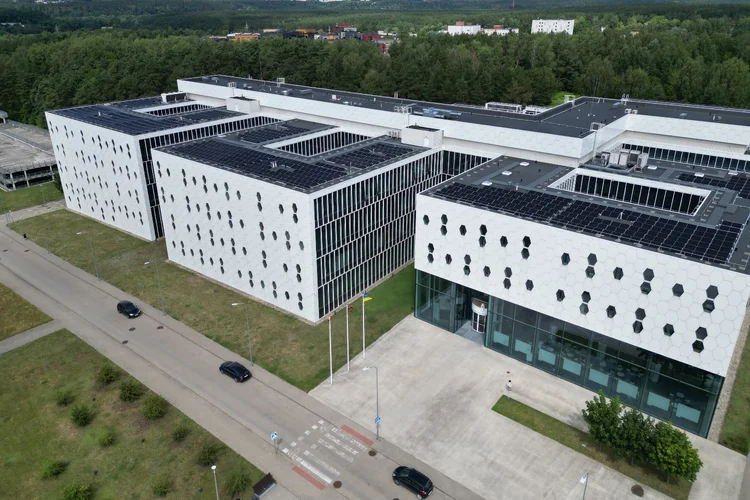
The Center for Physical Sciences and Technology (FTMC) is the largest scientific research institution in Lithuania, dedicated to the generation of scientific knowledge and its application in high-tech industry. Its two main strategic R&D directions focus on innovative technologies for a sustainable economy and advanced materials for digital and green transformations. Research is conducted across specialized departments and laboratories covering physics, chemistry, and technology. The Center offers doctoral studies and internships in scientific fields such as Physics, Chemistry, Materials Engineering, and Electrical and Electronic Engineering.
Center for Physical Sciences and Technology invites you to visit several laboratories in one of their locations in Vilnius, Saulėtekis av. 3 (the venue of the conference). Click on any of the following buttons below to read more about each designated tour and register.
Lithuanian Energy Institute
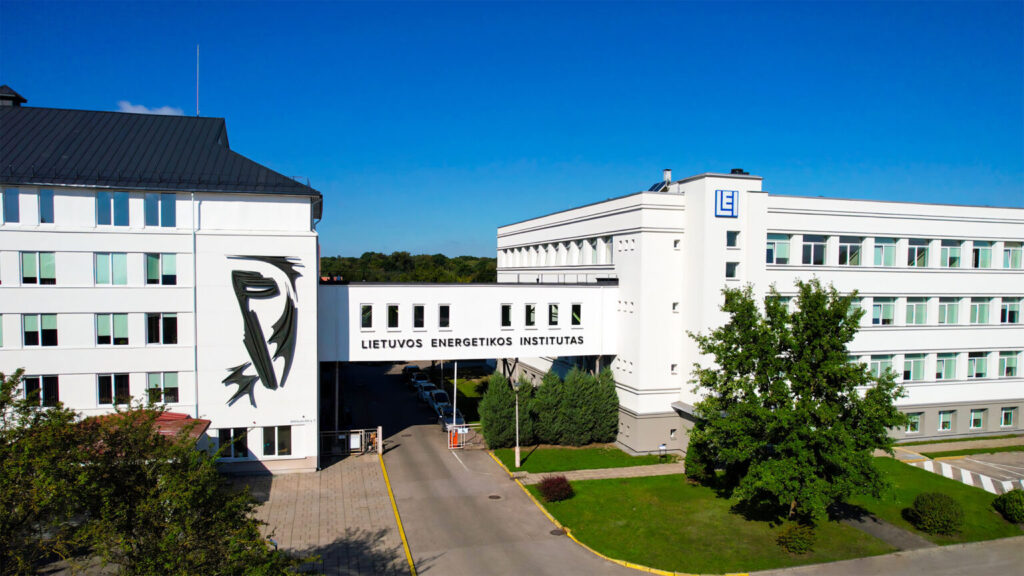
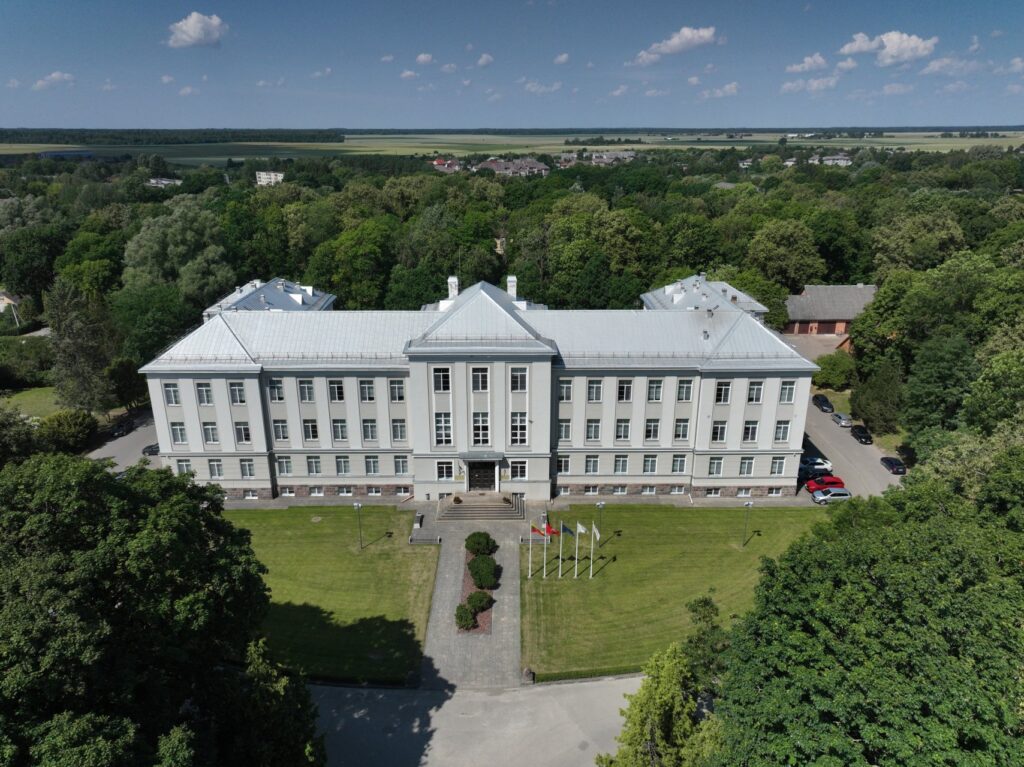
Lithuanian Energy Institute (LEI) conducts research to create innovations for sustainable energy. Two main strategic R&D directions are: climate change mitigation and energy transformation. Research is done at 10 laboratories. Institute offers internships and PhD studies in fields like Energetics and Power Engineering, Environmental Engineering, and Economics (Energy sector).
Lithuanian Energy Institute invites you to visit several laboratories in Kaunas:
- Center for Hydrogen Energy Technologies is Lithuania’s premier competence hub, this center bridges material science with practical energy applications, utilizing advanced PVD infrastructure for synthesizing metal hydrides and fuel cell elements. Equipped with in-situ XRD (up to 1500°C) and XPS/AES for surface analysis, its research focuses on Mg-based thin films, hydrogen production via aluminum-water reactions, and functional coatings for energy storage.
- Laboratory of Nuclear Installation Safety specializing in deterministic and probabilistic safety analysis, this laboratory provides high-level assessments for nuclear and complex industrial facilities. Researchers utilize specialized software like SCALE and RELAP5 to model thermal-hydraulic processes and severe accident scenarios, playing a vital role in the decommissioning of the Ignalina NPP and safety reviews for fusion (DEMO) and fission reactors.
- Laboratory of Heat-Equipment Research and Testing combines fundamental thermal physics with ISO/IEC 17025 accredited testing, maintaining national standards for flow and pressure. It utilizes 2D PIV flow visualization and DEM modeling to optimize heat-mass transfer and biofuel combustion efficiency, focusing on microchannel fluid dynamics and emission-reduction technologies for the European heating market.
- Laboratory of Combustion Processes is dedicated to the circular economy, this laboratory researches the thermochemical conversion of biomass and waste through gasification, pyrolysis, and plasma-assisted combustion. With infrastructure for real-time emission monitoring and ICCD flame diagnostics, key advancements include catalytic steam reforming of tars, “Power-to-X” optimization, and innovative secondary NOx reduction measures.
Lithuanian Research Center for Agriculture and Forestry
The Lithuanian Research Centre for Agriculture and Forestry (LAMMC) conducts fundamental and applied research to ensure the sustainable management of land, forest, and environmental resources. Its two primary strategic R&D directions are climate change adaptation/mitigation in agro-ecosystems and sustainable management of biological resources. Research is organized across several institutes (Agriculture, Horticulture, Forestry) and numerous specialized laboratories. LAMMC provides internships and PhD programs in the fields of Agronomy, Forestry, Ecology and Environmental Science, and Biochemistry.
Lithuanian Research Centre for Agriculture and Forestry invites you to visit several laboratories in one of their locations in Babtai:
- The Laboratory of Plant Physiology is an interdisciplinary competencies centre, connecting profound knowledge in agronomy, plant biology, physiochemical analysis and technology, as well as infrastructure for exploring plant functioning in controlled environment agriculture (CEA) cultivation systems. The laboratory is equipped with walk-in controlled environment chambers, controllable LED lighting, and hydroponic systems for modelling plant cultivation conditions; as well as analytical equipment (HPLC-MS/DAD/ELSD/FLD, UV/VIS spectroscopy, ICP-EOS, etc.). Key advancements in CEA through plant photophysiology, plant productivity, biodiversification of horticultural plants, specialized plant metabolite research.
- The Department of Orchard Plant Genetics and Biotechnology is part of the LAMMC Institute of Horticulture, which conducts advanced research in fruit crop genetics, breeding, and biotechnology. Its scientists work on the development, preservation, and molecular characterization of fruit and berry plant genetic resources, contributing to both fundamental and applied horticultural research. The department also hosts laboratories dedicated to biotechnology, molecular markers, and plant cryopreservation, supporting innovative approaches to plant propagation and germplasm conservation.
- The Biochemistry and Technology Laboratory conducts research focused on the use and processing of plant-based raw materials using various extraction and technological methods. The laboratory conducts research into food and functional food solutions, as well as the application of circular economy principles to achieve sustainable use of raw materials. The laboratory also focuses on materials engineering, developing new systems based on plant-based raw materials. Detailed biochemical research and analysis are carried out to assess the composition and properties of raw materials and their potential areas of application.
Lab Tour Co-organizer: