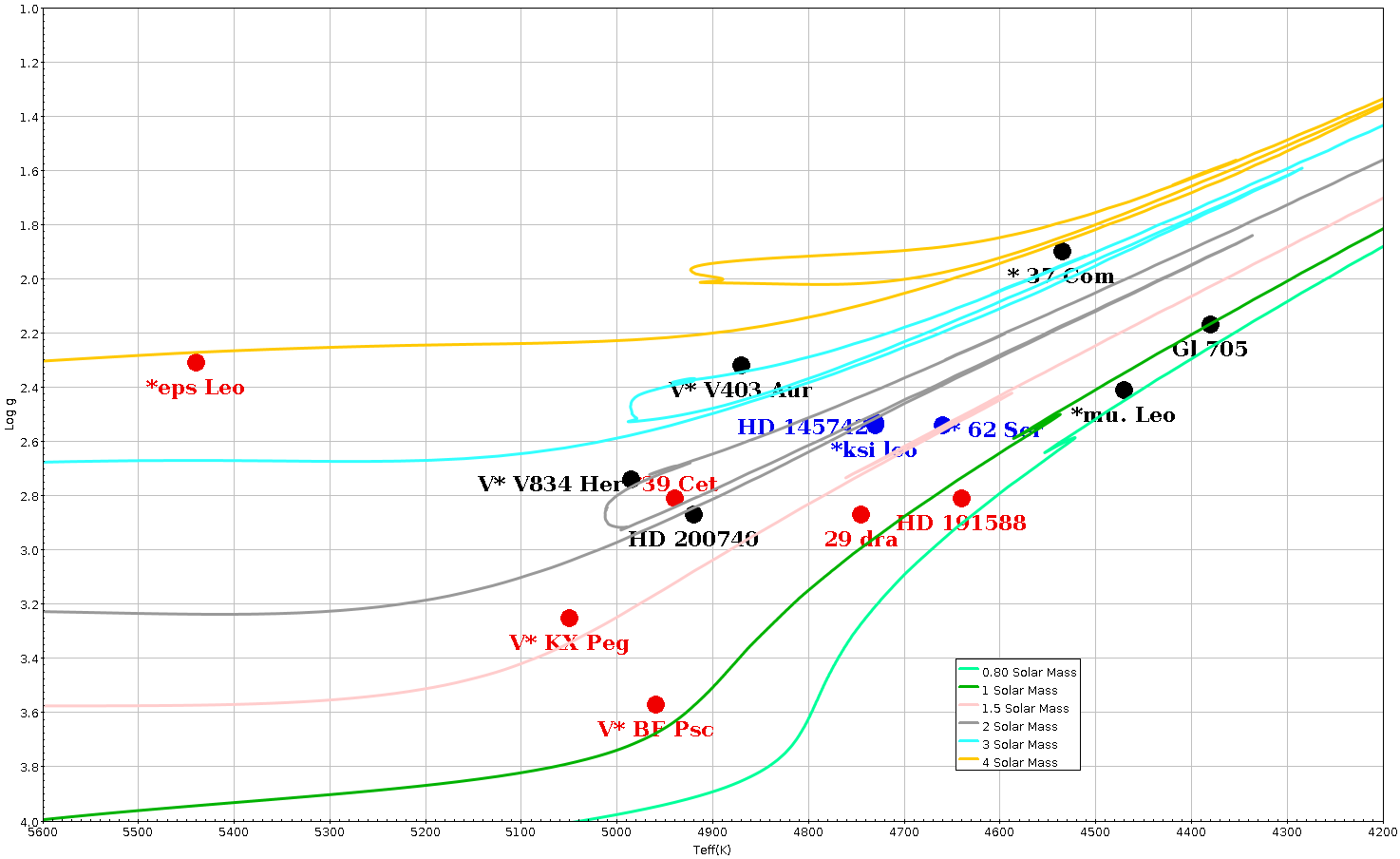
Our primary focus is the examination of RS CVn stars, aiming to ascertain the carbon isotope \(^{12}\)C/\(^{13}\)C and C/N ratios within these chromospherically active celestial bodies. Analyzing the abundances of carbon and nitrogen in their atmospheres offers valuable insights into chemical composition alterations induced by stellar evolution. The determinations of carbon and nitrogen abundances, along with the C/N ratios, serve as pivotal tools in the field of stellar evolution studies. To explore the influence of magnetic activity on mixing processes within the atmospheres of magnetically active stars, we are conducting an exhaustive investigation of CNO abundances and carbon isotope ratios in a selected group of RS CVn giant stars. High-resolution spectra, acquired from the 1.65 m telescope at the Moletai Astronomical Observatory of Vilnius University, were utilized for this study. The analysis focused on the C2 Swan (1,0) band head at 5135 Å and the C2 Swan (0,1) band head at 5635.5 Å to determine carbon abundance. Additionally, the interval 7990 – 8010 Å, encompassing the \(^{12}\)C/\(^{14}\)N and \(^{13}\)C/\(^{14}\)N bands, was employed for nitrogen abundance and carbon isotope ratio analysis. Oxygen abundance was derived from the forbidden [O I] line at 6300.31 Å. Our findings support earlier observations, indicating that in low-mass chromospherically active RS CVn stars, extra-mixing processes may commence below a luminosity function bump in red giants.