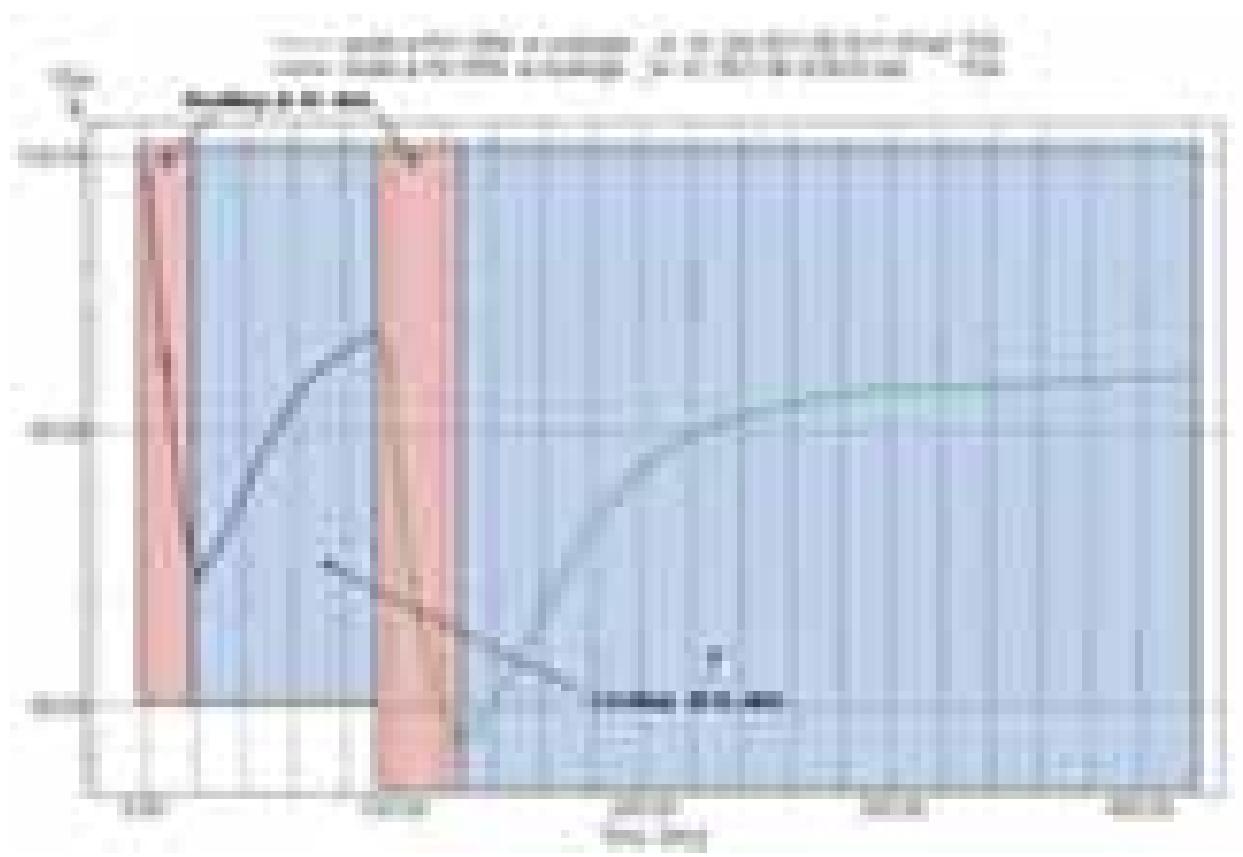
There are a lot of controversial reports about applicability of zeolite as appropriate material for hydrogen storage. On the one conclusion researchers shares - namely, that the zeolite adsorbs significant quantities of hydrogen at low temperatures (77 K, for example). We have shown that the zeolite can adsorb hydrogen up to 4% by weight of zeolite at room temperature. For hydrogen adsorption measurements the thermogravimetric equipment SHIMATZU DTG - 60/60H was adapted, by adding two gases - argon and hydrogen – to gas flow system. Samples were analyzed in the following way: 1) heating to 200 (300) °C in an argon atmosphere at the speed 10 deg/min, 2) cooling down in automatic mode to room temperature in the hydrogen atmosphere. In some experiments secondary heating in argon atmosphere and cooling down in hydrogen atmosphere were done without removing the sample from apparatus.
The applicability of the method was tested using palladium powder as reference sample. It is known that palladium metal absorbs hydrogen at given temperature in exothermic reaction and palladium hydride PH0.7-0.8 forms. Zeolite samples were prepared from natural clinoptilolite (Ukraine), supplied as a coarse, medium and fine powder material. Activation of the samples was carried out in ion-exchange process soaking zeolite powder in the solution, and in pyrolysis process, coating palladium nanoparticles on zeolite powder particles