
The aim of my work was the study of planetary nebulae through attempts to create three-dimensional models in program Shape. Created structures enabled expansion of knowledge about the process of mass loss on the asymptotic giant branch and served as an introduction to photoionization modeling of selected objects [2]. The main result of the work is a catalog showing the pictures, models and a brief description of planetary nebulae.
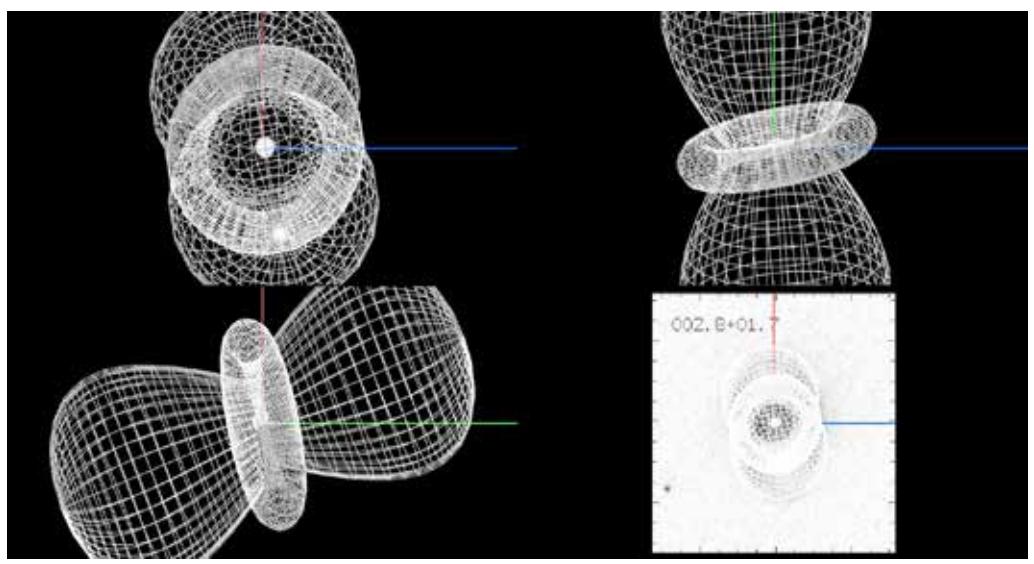
Fig. 1. Example of a three-dimensional model of planetary nebula.
Next step in my work was use of a Monte Carlo method to two- or three-dimensional modeling of radiation transfer with a predetermined shape and distribution [3]. Conclusions contains statistics on the classification of planetary nebulae and evaluation of the research method.
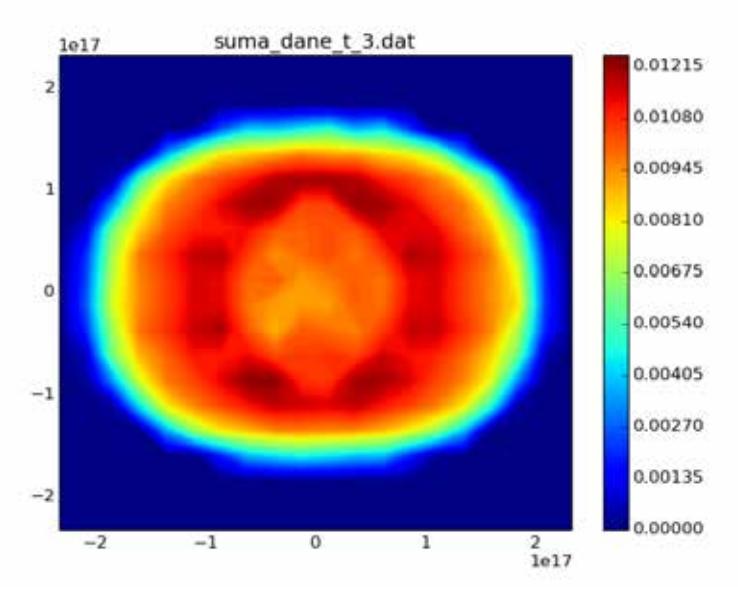
Fig. 2. Example of a two-dimensional photoionization model.