
Over the years, natural and chemically synthesized antibiotics have been used to control infections resulting from community environments. Currently, there is a growing demand for the synthesis of nanomaterials that would replace widely applied antibiotics due to their antimicrobial properties. Available reports show that metal nanoparticles (NPs) such as Ag, Au, Cu, Zn, Si [1] and metal oxide nanoparticles including TiO2-x, ZnO, CuO, Cu2O, Co3O4, MgO, ZrO2, Ni2O3 or normal spinel structure ferrites [M2+][Fe3+]O4 where M2+ is the metal ion as Zn2+, Mn2+, Cu2+, Co2+ [2] were identified to exhibit antimicrobial activity against multi-drug resistance pathogens. The molecular mechanisms for antibacterial effect of nanoparticles are still being investigated, but there are two more popular proposed possibilities in this regard: (a), free metal ion toxicity arising from dissolution of the metals from the surface of nanoparticles and (b), oxidative stress via generation of reactive oxygen species (ROS) on the surfaces of nanoparticles [3]. We also suspect that this effect could be attributed to amino acid-induced generation of negative curvature at the surface of membrane due to a specific interaction, where the cationic amine groups induce negative curvature wrapping of anionic membranes leading to micellization/vesiculation and disrupt of membrane integrity causing the thinning of membranes (Fig. 1).
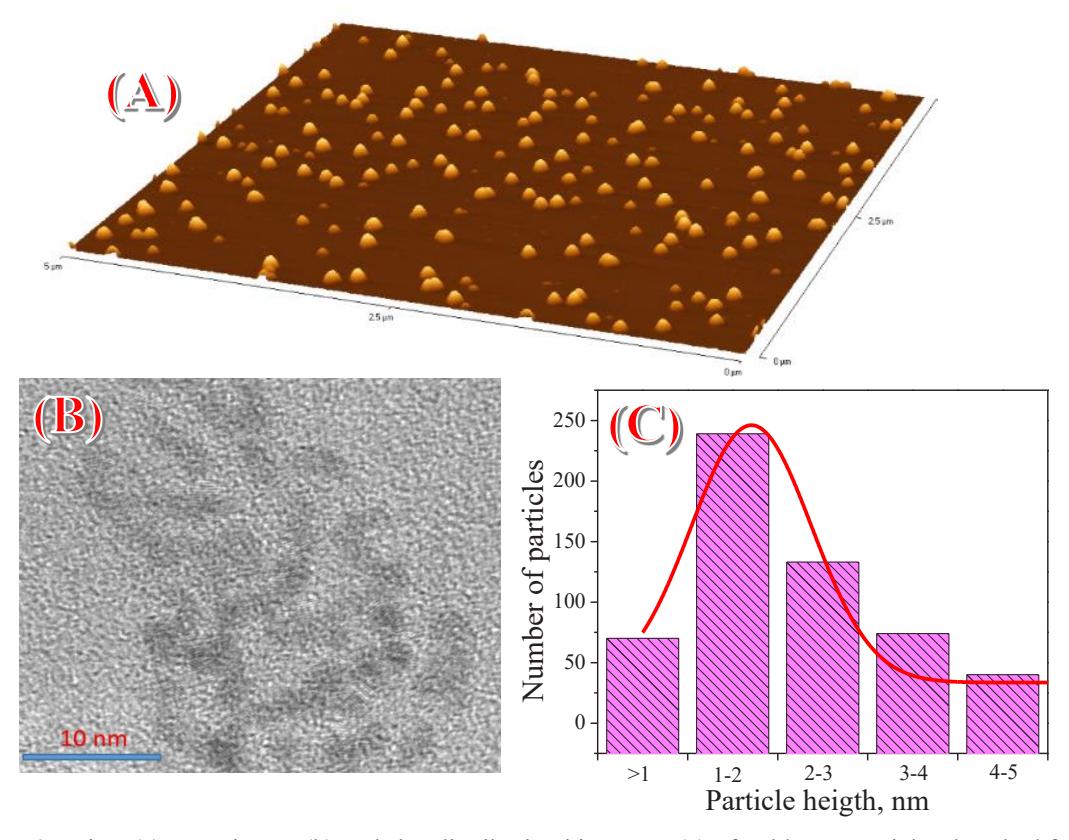
Identifying previously published papers of our research group, it is worth mentioning that we have synthesized quite different antimicrobial agents such as ultra-small gold NPs and nanoclusters. The antibacterial activities of these nanomaterials were tested in vitro against gram-negative Acinetobacter baumannii, Salmonella enterica and gram-positive Micrococcus luteus, methicillin-resistant Staphylococcus aureus bacteria.