Recombinant proteins are produced by laboratory methods of genetic recombination. Nowadays they are found in essentially every biological research laboratory. E. coli is one of the earliest and most widely used hosts for the production of recombinant proteins. The main advantages of E. coli bacteria are rapid growth, rapid recombinant protein expression and high yields of the product. However, it is difficult to express large proteins in E. coli. Additionally, E. coli is not the best expression system for S-S rich proteins and proteins that require post-translational modifications [1]. Therefore, it is important to evaluate if the recombinant protein is a suitable model for the analysis of the certain protein found in human and assess the differences in tertiary structure and its interaction with certain compounds.
Our laboratory has been working with recombinant proteins – carbonic anhydrases (CA). They are metalloenzymes that maintain pH homeostasis by catalyzing the reversible hydration of carbon dioxide. There are 12 catalytically active CA isoforms in human differing in expression patterns, tissue localization, cellular distribution and enzymatic properties [2]. CA VI is the only secreted isozyme of the human CA family. This enzyme is found in saliva, tears, and milk. It is responsible for antireflux defense, protection from carcinogens, and taste function. Moreover, CA VI is linked with certain cancers which might be associated with salivary glands [3]. Therefore, it is important to analyze the affinity of sulfonamide inhibitors for CA VI.
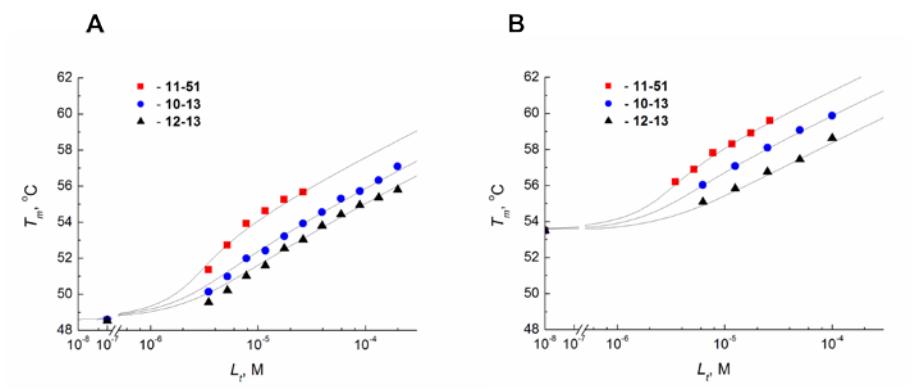
Human recombinant CA VI was expressed in E. coli. Also, half-liter of saliva was collected from twenty volunteers. CA VI from these sources was purified by affinity chromatography. The thermodynamics of interaction between the enzyme and 4-substituted-2,3,5,6-tetrafluorobenezenesulfonamides were determined by the fluorescent thermal shift assay (FTSA). The affinity of the inhibitors designed and synthesized in our laboratory for CA VI from saliva was similar to the affinity for CA VI from E. coli. This study shows that CA VI purified from bacteria is a suitable model to analyze reactions between human CA VI and inhibitors and the absence of glycosylation in E. coli has no significant effect on inhibitor binding to CA VI.