Rechargeable lithium-ion batteries (LIBs) are the most promising candidates for applications in electric vehicles (EVs), hybrid electric vehicles (HEVs), power tools and mobile devices in terms of energy densities and power densities [1].
The important factor which limits battery performance is a quality of cathode material used. The expectations in this field are very high – the material should provide high energy and power densities described by good gravimetric capacity, high operational voltage and fast kinetics of reactions. Good thermal stability and rate capability is also important if the battery is to be into commercial production. On the other hand, the produced LIBs should be cheap and environmentally friendly.
Of course, achieving all of these goals is impossible and several compromises are required. One of methods of improving materials' parameters is the modification of their microstructure and obtaining them in a nanocrystalline form. The structural modification affects positively both electrical and electrochemical performance of the material.
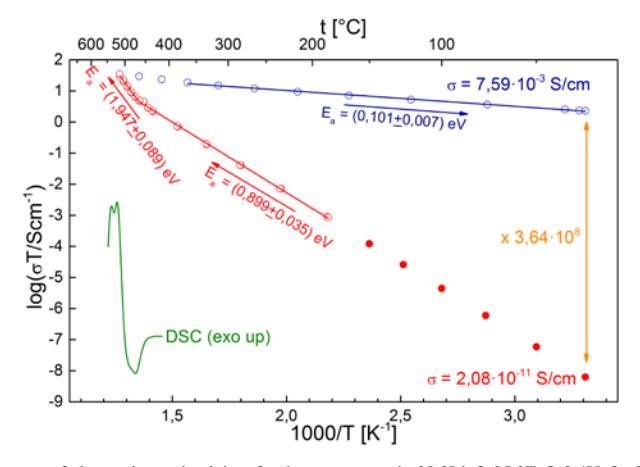
During the presentation I will present the main benefits of obtaining a Li-ion cathode material in a nanocrystalline form. In addition, an interesting, novel method of synthesis - thermal nanocrystallization of glasses - will be explained and some experimental results will be shown [2].