
Epigenetic mechanisms associated with DNA methylation at CpG loci play a fundamental role in both normal development and disease. Assessment of DNA methylation using microarray technology enables the quantitative analysis of DNA methylation throughout an entire genome1. Methylation profiling may potentially improve our understanding of epigenetic events that regulate gene expression and influence development of complex diseases such as cancer.
Despite significant increase in knowledge of genetic and epigenetic changes causing prostate cancer (PCa) during the last decade, it still is a major cause of cancer-related morbidity in men living in Western countries2. Identification of new potential epigenetic biomarkers could greatly enhance our ability to diagnose PCa and predict its biochemical recurrence (BCR) after surgery.
The main goal of our study – is to investigate global DNA methylation profile of PCa using DNA methylation microarrays and evaluate the diagnostic and prognostic value of the selected epigenetic markers for PCa detection. We will examine epigenetic changes in genes in order to gain new insights into underlying molecular mechanisms of PCa development.
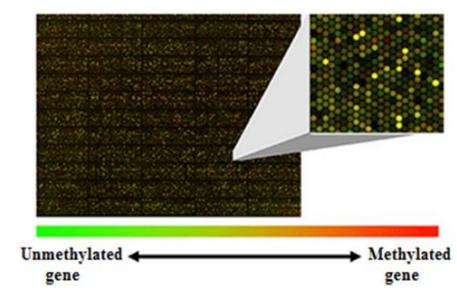
For microarray analysis, immunoprecipitated and reference DNA was labeled with cyanine 5-dUTP and cyanine 3-dUTP respectively. Then labeled DNA was purified and hybridized onto 1x244K format microarray slide. Selection of target genes was based on methylation array data analysis (Fig.1). DNA methylation profile was analyzed according to $$\geq$$212000 probes localized in promoters or exons and introns of known and predicted genes. Targets for further analysis were selected from more than 1000 genes that showed significant differences in methylation profile. Candidates were selected according to the following criteria: gene methylation difference between the groups (prostate tumors vs nontumors; progressed vs nonprogressed cases), statistical significance, and data from literature and databases
For further investigation, selected epigenetic markers will be analyzed using molecular genetic techniques such as methylation-specific polymerase chain reaction (MSP) to validate their methylation status in cancerous and benign prostate samples. MSP results will be linked to clinical-pathological characteristics of the patients in order to evaluate the diagnostic potential of selected genes as biomarkers.
We expect that biomarkers would identify early stages of the disease and increase our ability to distinguish indolent and aggressive tumors of PCa patients.