
Wood has been a crucial resource for thousands of years and remains an essential part of various industries, including fuel, construction, furniture, and paper. These products are generally low in CO2 emissions, easily available from sustainable sources and mechanically durable. Despite its advantages, wood is also vulnerable to moisture, various microorganisms, and ignition [1,2].
To improve the properties of wood and wood-based products, they are commonly treated with chemical preservatives, such as TiO2, ZnO, Al(OH)3 and various copper compounds. These treatments provide resistance against insects, fungi, bacteria, fire, weathering, and UV light, while also reducing smoke emission during burning [2,3]. However, the surface impregnation method is often inadequate and impractical.
To address these limitations, a recent study used inorganic Mg2/Al1-CO3 and Zn2/Al1-CO3 based layered double hydroxides (LDHs) to modify pine wood. LDHs are a non-toxic and environmentally friendly alternative to traditional wood preservatives and do not affect the mechanical properties of the wood. Furthermore, CO32- intercalated LDHs have endothermic decomposition, which makes them effective as flame retardants and reduces smoke emission during combustion [4].
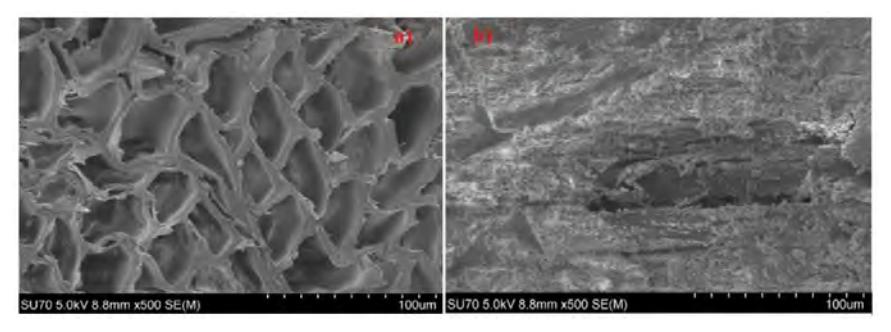
LDHs also have several advantages as antibacterial materials, including their basic character and strong oxidant species (OH- ions) [5]. Zn-LDHs have been shown to inhibit the growth of bacteria and have antimicrobial activity against a broad range of bacteria. This effect can be achieved by adhering to bacteria, changing its charge distribution, binding to intracellular DNA or blocking nutrient transport [6,7].
In conclusion, wood and wood-based products are essential resources for various industries and can be improved with treatments such as inorganic LDHs. These treatments not only provide protection against various environmental factors but also potentially can improve the flame retardant and antimicrobial properties of the wood. By using LDHs, the industries can take a step towards a more sustainable and environmentally friendly future.