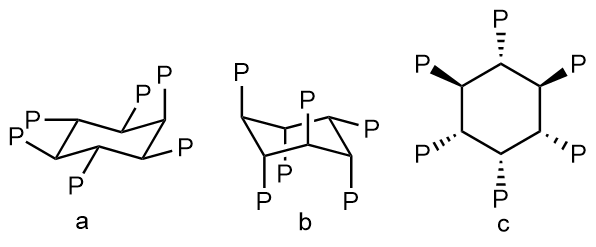
Epoxides (also known as oxiranes) are cyclic three-membered ethers, that, due to significant ring strain, are more reactive than their non-cyclic counterparts. Phytic acid (PA) is an achiral meso-compound (myo-stereoisomer) with six phosphate ester groups that contain 12 acidic hydrogen atoms. Phytic acid is most often extracted from various seeds, nuts and grains and, due to its abundance, research into new uses for PA has been of great interest. In contrast to vanadyl (IV) acetylacetonate, the use of vanadyl (IV) phytate in organic reactions is poorly studied. In this study, the heterocatalytic reaction, consisting of dispersing VP catalyst in petroleum ether together with tert-butyl hydroperoxide (TBHP) and the substrate was investigated, while later reactions were performed using Biotage® Initiator microwave reactor at 60-80 ℃ for 5-10 min with yields up to 91 %. High selectivity for cinnamyl alcohol (α-methyl cinnamyl alcohol) and cyclohexenone (3-methylcyclohexenone) derivatives was observed.