
Energy storage field is becoming more crucial nowadays, especially when it comes to ecological energy sources or electric cars industries. Therefore, it is worth to focus on studies towards new potential cathode materials in order to improve batteries parameters, especially when demand on electrochemical cells is rising.
Lithium manganese borate has found high interest in nowadays research on cathode materials for Li-ion batteries mostly due to its high theoretical gravimetric capacity of 222 mAh/g [1], which is even greater than for the widely studied phosphates. A glassy sample with nominal composition LiMnBO3 was successfully synthesized using melt-quenching method and exhibited promising glass-forming properties. Therefore, thermal nanocrystallization method was applied then to obtain nanocrystalline material and study its properties [2]. However, our research on this compound showed that final electrical conductivity after nanocrystallization was still not sufficient enough. Basing on the studies [3] on vanadium-doped LiFePO4 compound and on conclusion that even small amount of vanadium can significantly improve electrical and electrochemical properties of material, we attempted to dope aforementioned LiMnBO3 with vanadium.
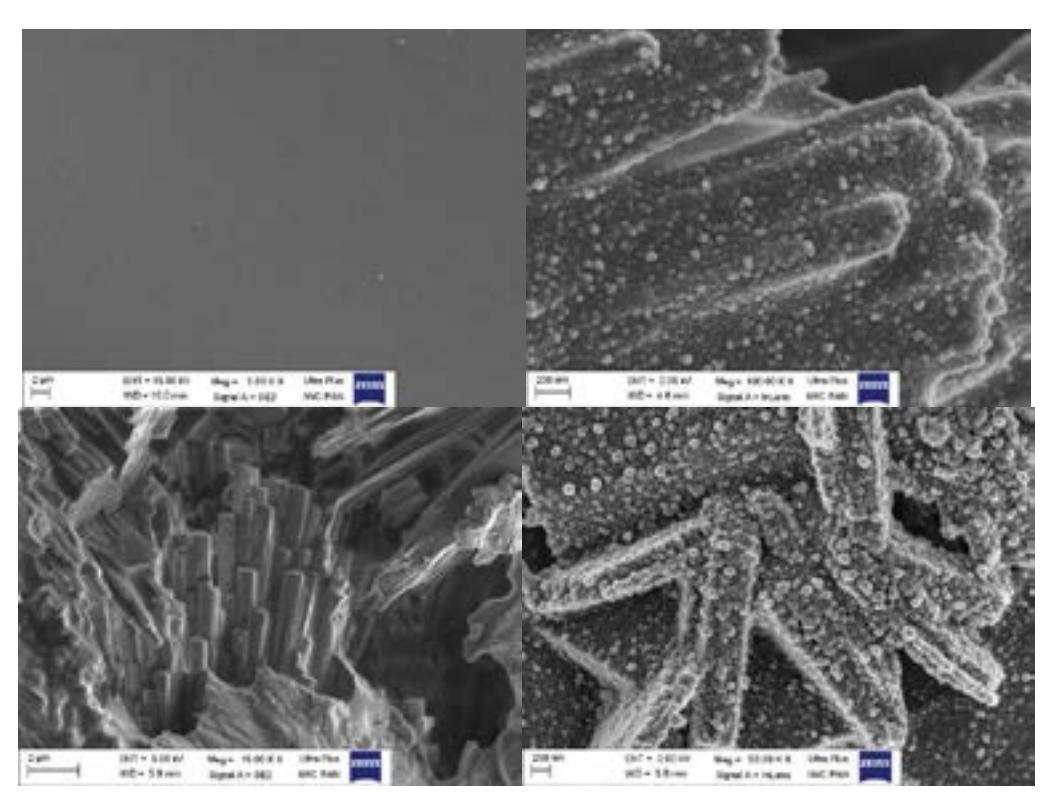
Glassy LiMn0.925V0.05BO3 was successfully synthesized with use of melt-quenching process. Then, the samples were nanocrystallized in different temperatures and characterized with structural (XRD, SEM), thermal (DTA), and electrical (IS, TEP) methods.