Reverse engineering is one of the growing techniques which is used in almost every field now like additive manufacturing, remanufacturing of old mechanical parts or any systems, enhancing the existing system etc. During reverse engineering the accuracy of the result obtained is of most importance, because the final product is based on these results. Most of the products manufactured based on reverse engineering is used in real time applications hence its result has to be accurate [1,2]. This work is carried out to assess the factors that influence the accuracy in reverse engineering process and also to know the sources of uncertainties that influence the final results accuracy [3].
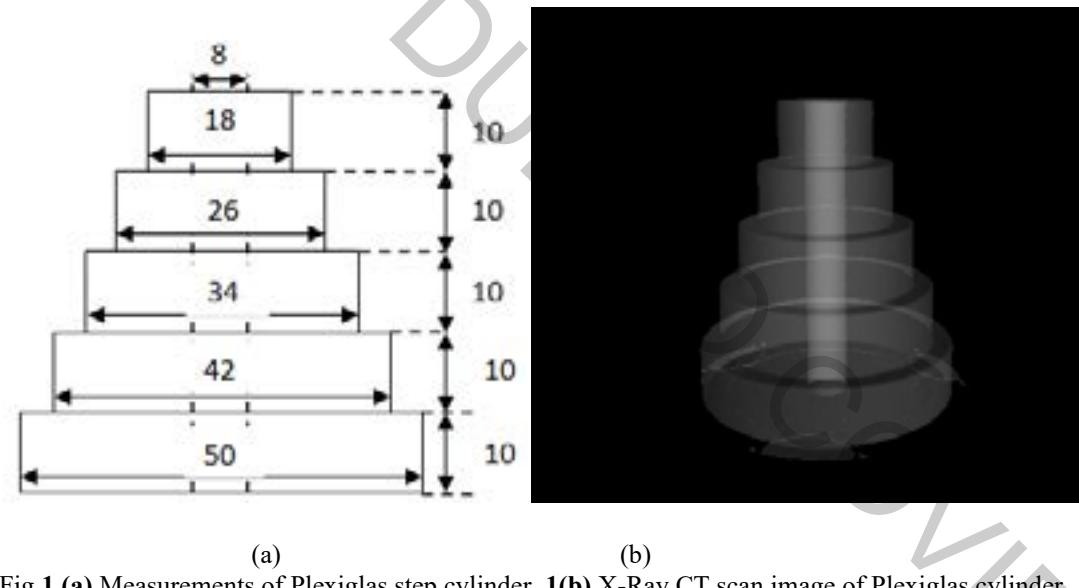
Here the reverse engineering process is done based on the computed tomography which is used to acquire the data. The process of reverse engineering includes following steps: acquisition of data, reconstruction, segmentation and conversion to 3D CAD model. The accuracy assessment starts from the initial process that is, data acquisition.
The parameters have to be optimized to obtain CT images that are free from artefacts. In the next process, reconstruction, an optimized threshold value has to be selected for proper reconstruction of CT images. During processing of the obtained CT images the surface determination has to be supervised properly to get the accurate measurement and also the mesh conversion process has to be selected in a way that is easily converted to CAD file later. Likewise the accuracy of the results of each step in reverse engineering is assessed by finding the factors that affect the accuracy. Then finally the obtained reverse engineered CAD model is compared with the pre-designed CAD model for assessment of the accuracy.