Medical devices such as implants must be biocompatible, harmless to living organisms, must not cause allergic reactions and do not change their properties over time [1]. One such substance is ultra-high molecular weight polyethylene (UHMWPE) which, like other orthopedic implant materials are characterized by high biocompatibility, low coefficient of friction, and chemical resistance [2]. According to ISO standard 19227 „Implants for surgery – Cleanliness of orthopedic implants - General requirements“ one of the main requirements to ensure proper osseointegration of surgical implants and reduce all possible risks of infection is a washing/cleaning process, but cleaning methods must not interact with materials and damage or otherwise affect their properties and structure [3].
In this study, medical grade UHMWPE was used. To determine the structure of UHMWPE polymer after the sterilization at different temperatures, the structural properties of the material were analyzed. The chemical bonds of samples were identified by Fourier transform infrared spectroscopy (FT-IR), thermal material properties were characterized by different scanning calorimetry (DSC) study, and the structure of the material was analyzed by X-ray diffraction analysis (XRD).
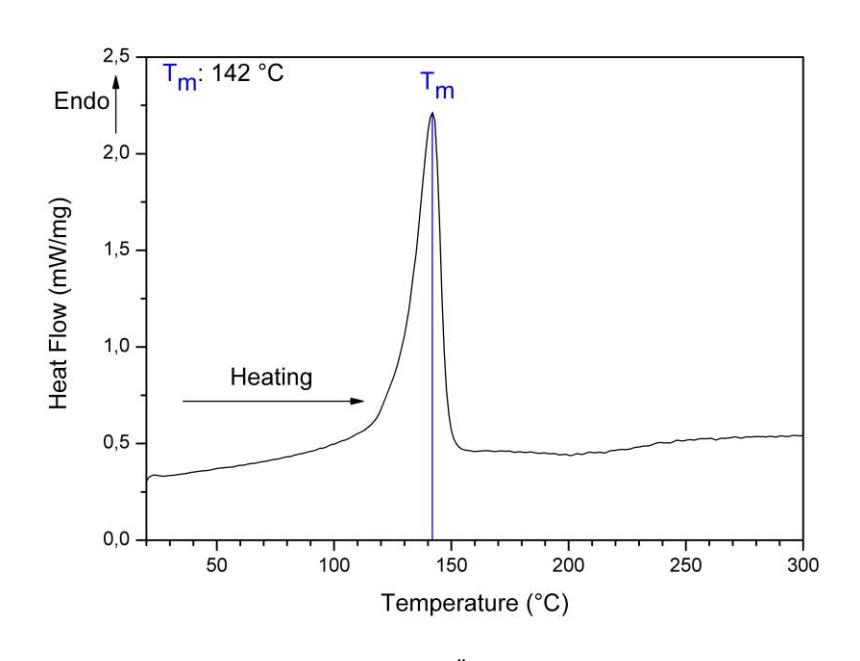
The results of the DSC study support the reliability of the XRD and FT-IR results, whereas the DSC results showed that the UHMWPE polymer structure is only affected at 142 °C (melting temperature). Therefore, we can say that the thermal exposure of the samples at both 60 °C and 100 °C does not affect material physical, chemical, structural, and thermal properties.