
For the manufacture of construction helmets, natural fiber particle reinforced materials such as sisal, banana and jute reinforced polymer composite materials with epoxy resin were used. Impact strength and compression strength values are identified. The components of helmet production are checked. From the point of view of development, both the thermoplastic and natural fiber composite shell manufacturing techniques are provided with specific mention of the advantages and disadvantages for each form. Natural fiber has many advantages such as light weight, biodegradability, high strength, smaller elongation, quality of fire resistance, quality of moisture absorption and promising me These fibers are growing towards eco-friendly manufacturing, and the current review addresses research in the field of epoxy-based natural fiber composites and mechanical property analysis. Mechanical properties of the composite material have been studied in this paper by considering various parameters such as fiber content, fiber geometry, volume fraction, fiber size, epoxy resin properties, and fiber orientation, etc.[1]. It was found that when the liner's foaming ratio and shell-thickness were varied, it indicated that there is an optimal combination where the shell part fails without the liner bottoming, enhancing a helmet's ability to absorb shock. As the glass fiber concentration increased from 5, 10, 20, 30 wt percent in the manufactured ABS, the tensile strength was improved, the tensile module was improved but the strain value was decreased. Increasing glass fiber concentration also shows better bonding between ABS and SGFF [2].
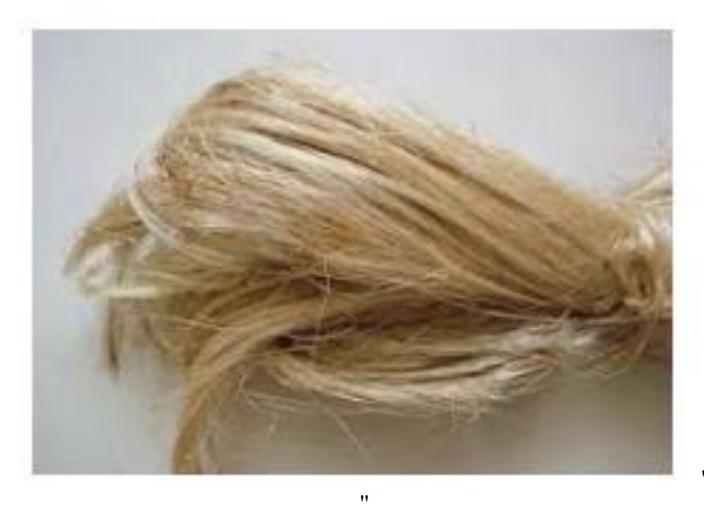
The fibers obtained are washed and dried with water. Then the segregation is gently dispersed with patiently seated hands. Pineapple fibers and banana fibers are pounded with a hammer after retting the husks. Ripped from the husks, these fibers are separated from the comb. After drying at the room temperature, both the fibers were combed with a cotton carding frame for several times further separate the fibers into individual state. After that, both fibers are weighed for the correct weight and length [3]. The Composite Helmet uses banana fibre and fly ash to complete this work plan and investigation. In this ongoing world the fibre fortified composite materials are orchestrated using natural fiber as fortifications along with grid, which have pulled in the consideration of analysts because of their low thickness with high explicit mechanical qualities, accommodation, and inexhaustibility. The new work aims to advance the current safety helmet manufacturing strategy and the materials used to have improved mechanical properties in order to enhance the similarity between the strands and the structure.