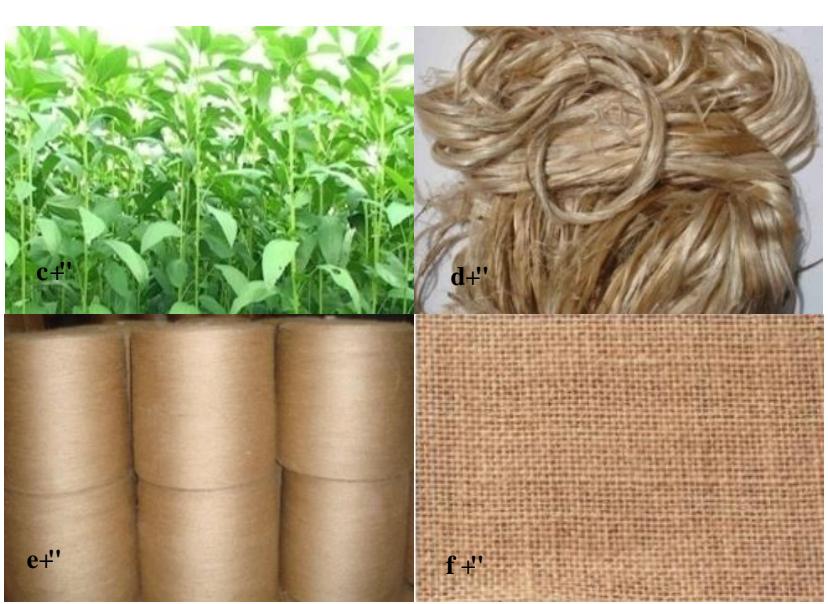
Development of protective cloth particularly flame-retardant apparel is a big challenge for textile industries nowadays [1]. Usually, inherent flame retardant is more expensive, so making natural fiber as a flame-retardant material is cheap and ecofriendly alternatives. Jute is a natural fiber as well as biodegradable material has taken more attention to develop flame-retardant clothing [2,3]. Chemisorption of combined flame retardant including borax and DAP, borax and Thio-urea, DAP and Thio-urea with different concentrations were conducted on untreated and hydrogen peroxide treated tabby weave jute fabric in padding- dry cure method in this study. The flammability, weight gain (%), breaking load percentages and wash durability of the treated specimens were investigated and compared the outcomes to optimize the chemical concentration. This study exhibits higher improvement of flame-retardancy with the increase of chemical concentrations for both untreated and hydrogen peroxide treated jute fabric. Weight gain percentage is increased for both the specimen but especially borax and Thio-urea combined chemical shows the higher result. In contrast, breaking load percentage is decreased for hydrogen peroxide treated jute fabric with the comparison of untreated jute fabric. Results revealed that borax and DAP combination chemical with 6% concentration shows the better wash durability for hydrogen peroxide treated jute fabric though wash durability decrease for all combination. Moreover, borax and diammonium phosphate (DAP) showed the better performance for all experiment. All samples developed in this study can be used for flame-retardant materials.